
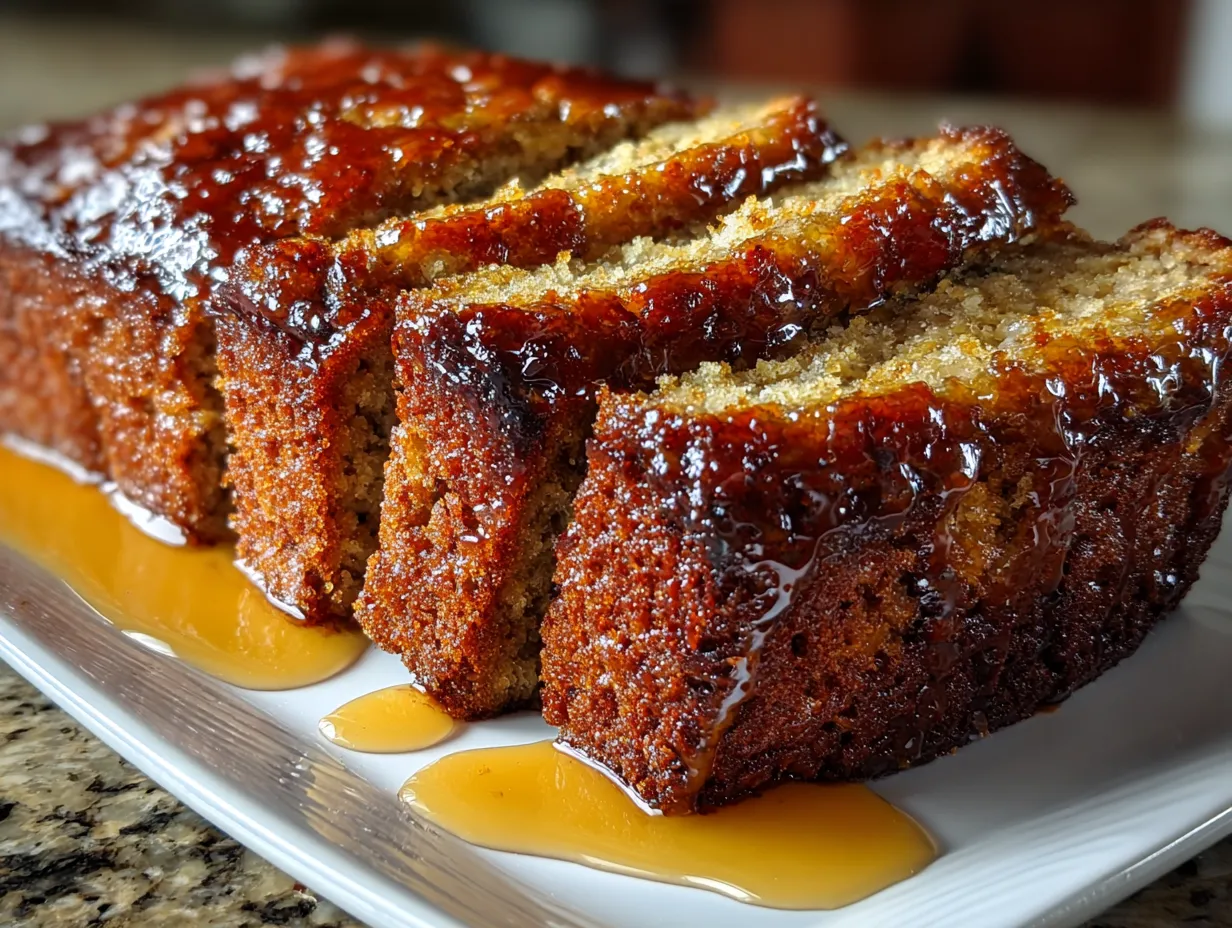
Wait—why does every banana bread recipe seem to call for a drawer full of mysterious flours and way too many eggs? My cousin Jess groaned the first time she tried making Paleo Coconut Flour Banana Bread at my kitchen table. The chaos of swapping out the usual wheat flour for coconut flour felt like stepping into a whole new baking universe. But by the end of that sticky, fragrant afternoon, Jess’s face lit up with surprise: “This is actually so moist and flavorful—like a tropical hug in every bite!”
The magic of this recipe lies in coconut flour, a grain-free, nutrient-packed hero that’s a favorite in paleo diet desserts. Unlike your typical gluten-free banana bread, which can sometimes fall flat or dry out, coconut flour brings a subtle sweetness and a dense, tender crumb that’s pure comfort. If you’re tentative about trying coconut flour recipes, you’re not alone—coconut flour is thirstier than most flours, soaking up liquid like a sponge. But once you nail the right balance, you get a banana bread that’s both healthy and utterly delicious, with that electric texture only real banana goodness can bring.
As you stir your batter, imagine the smell of ripe bananas melding with warm coconut, with just a touch of honey rounding it out. The kitchen fills with that cozy aroma that instantly signals homemade goodness is coming. This Paleo Coconut Flour Banana Bread recipe doesn’t just fit a diet label—it’s an invitation to slow down, savor wholesome ingredients, and create a loaf that tastes like sunshine and tradition wrapped into one. Whether you’re feeding a crowd or sneaking a slice for breakfast, this recipe will become your go-to for baking grain-free delights. Ready to get your hands a little messy and your heart a lot happy? Let’s dive in!
Ingredients for Paleo Coconut Flour Banana Bread
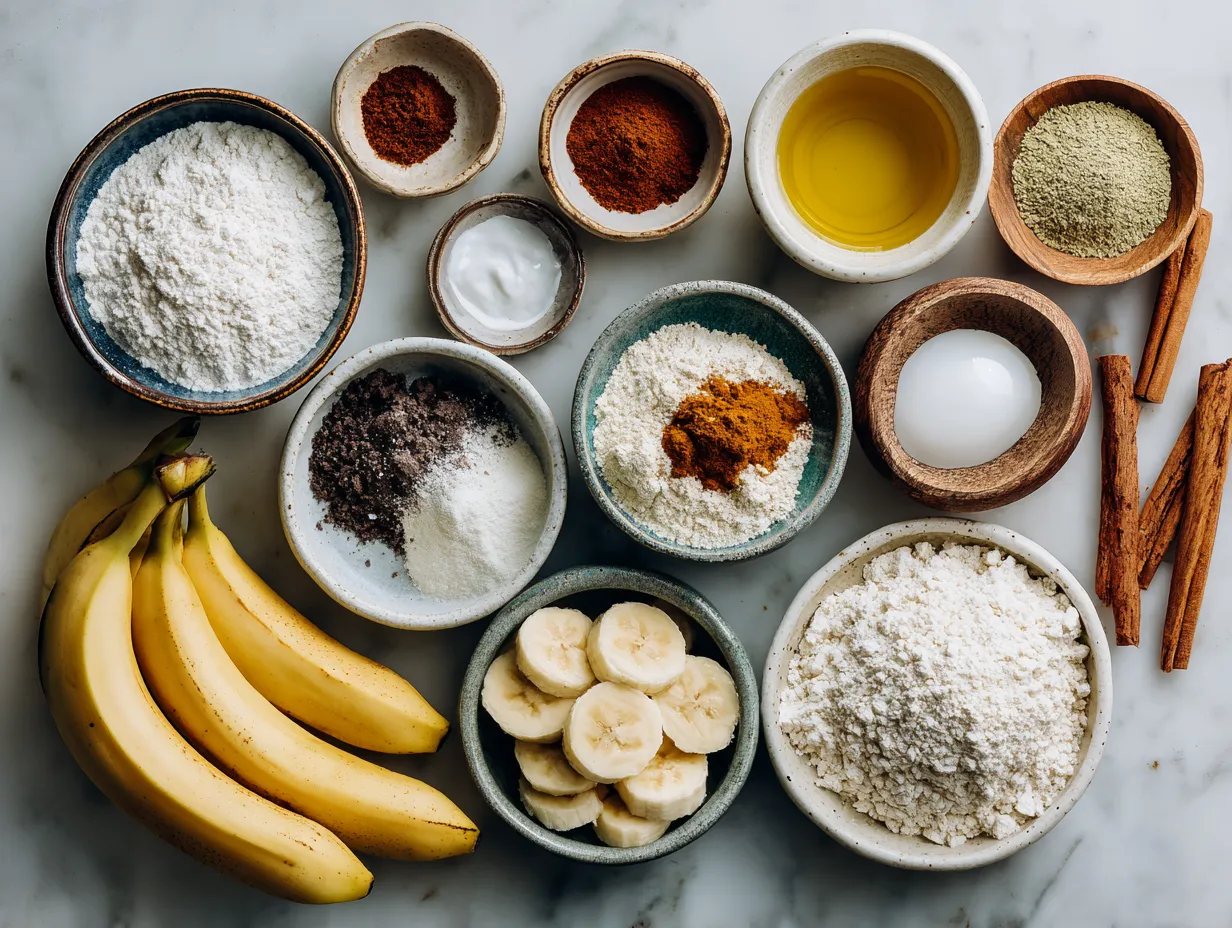
- 3/4 cup coconut flour (packed)
Swap Tip: Almond flour works if you’re not avoiding nuts, but use about 1 1/2 cups for this recipe. - 4 large ripe bananas (very spotted and sweet)
Budget Option: Overripe bananas from your fruit bowl ready to be saved. - 4 large eggs (room temperature)
Swap Tip: Use flax eggs (4 tbsp flaxseed meal + 12 tbsp water) for a vegan variation, but note the texture will differ. - 1/3 cup coconut oil (melted)
Budget Option: Substitute with avocado oil or light olive oil. - 1/4 cup raw honey or maple syrup
Swap Tip: For less sweetness, reduce to 2 tablespoons or use stevia drops. - 1 tsp vanilla extract
- 1 tsp baking soda (check paleo-friendly brands)
- 1/4 tsp sea salt
- 1 tsp ground cinnamon (optional, but highly recommended for warmth)
- 1/2 cup chopped walnuts or pecans (optional)
Budget Option: Omit nuts to keep costs down, still moist and delicious.
By using coconut flour, which absorbs moisture intensely, this recipe ensures a moist crumb without the need for gluten or grains—perfect if you want a healthy banana bread that’s both paleo and grain-free baking friendly. The ingredients list is simple, accessible, and flexible for your preferences or pantry.
Steps to Perfect Paleo Coconut Flour Banana Bread
- Preheat your oven to 350°F (175°C). Grease a 9×5-inch loaf pan with coconut oil and line with parchment paper for an easy release.
- Mash the bananas in a large bowl until nearly smooth but still a few chunks remain for texture. The aroma of ripe bananas should be strong—this is the flavor foundation.
- Add the wet ingredients: Stir in the eggs, melted coconut oil, honey, and vanilla extract. Mix gently but thoroughly. The batter will be wet and sweet-smelling at this point, a luscious tropical base.
- Whisk dry ingredients in a separate bowl: coconut flour, baking soda, salt, and cinnamon. Watch out—coconut flour is dusty and can puff up when mixed, so stir gently to avoid a flour cloud show.
- Combine wet and dry: Gradually add the dry mixture to the wet, folding carefully to avoid overmixing. The batter will thicken quickly and feel quite dense compared to wheat-based batters. This is a sign you’re on the right track.
- Add nuts if using: Fold in the chopped walnuts or pecans for crunch and a toasty contrast. Every bite will have a little surprise.
- Transfer the batter to the loaf pan. Smooth the top with a spatula. The batter should hold its shape but not be overly stiff—like a thick, tropical mud.
- Bake for 55-65 minutes, starting to check at 50 minutes. Insert a toothpick into the center; it should come out mostly clean with a few moist crumbs. Overbaking will dry it out, so watch carefully.
- Cool in pan for 15 minutes, then transfer to a wire rack to cool completely. The loaf firms up as it cools and slicing too soon can cause crumbling. Patience here means perfect slices later.
Pro tip: Coconut flour banana bread smells like toasted coconut and warm bananas as it bakes—a sensory cue you’re heading for a winner. The crust will be slightly crisp with a tender, custardy crumb inside.
Presenting Your Paleo Coconut Flour Banana Bread
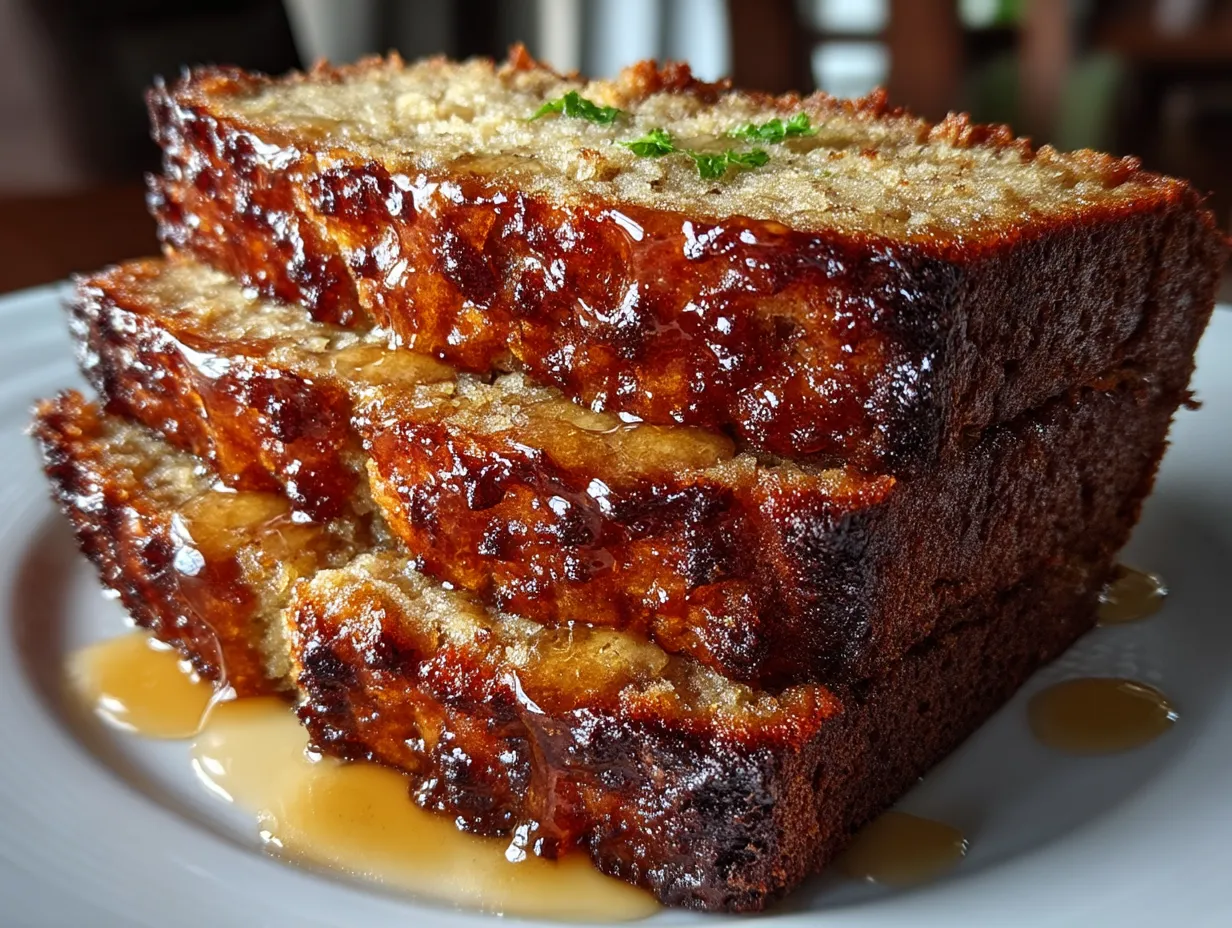
Serve this banana bread warm with a pat of grass-fed butter or a drizzle of raw honey for an extra layer of comfort. Its subtle sweetness pairs beautifully with a cup of herbal tea or robust black coffee—perfect for a lazy weekend brunch or a mid-afternoon pick-me-up.
For a festive touch, offer alongside fresh berries or a dollop of coconut yogurt when friends come over. The natural, nutty richness of the loaf shines best with simple accompaniments, letting its paleo diet dessert roots take center stage.
This versatile banana bread makes an excellent snack for school lunches or an on-the-go breakfast—slice, wrap in parchment, and you’re set. It also holds up well in the freezer, so baking a double batch for later is a super smart move.
The flavors and texture invite slow savoring, creating moments of cozy connection—whether you’re sharing with family, surprising guests, or simply treating yourself to a slice of wholesome joy.
FAQs About Paleo Coconut Flour Banana Bread
- Q1: Why does coconut flour require so many eggs?
A: Coconut flour absorbs much more liquid than traditional flours, so eggs provide necessary moisture and structure to hold the bread together. Too few eggs can make the bread crumbly and dry. - Q2: My bread turned out dry—what went wrong?
A: Likely overbaking or using bananas that were not ripe enough. Use very ripe bananas for natural moisture and sweetness and check doneness early, so the bread stays moist. - Q3: Can I use almond flour instead?
A: Yes, but almond flour behaves differently. You’ll need more (about twice the amount) and less egg because it doesn’t absorb moisture as aggressively as coconut flour. - Q4: How to store Paleo Coconut Flour Banana Bread?
A: It keeps well in an airtight container at room temperature for 2 days or refrigerated for up to a week. Freeze for longer storage, slicing before freezing for convenience. - Q5: Can I add chocolate chips or other mix-ins?
A: Absolutely! Add ½ cup dark chocolate chips or shredded coconut for extra texture and flavor. Just fold them in after combining wet and dry batter. - Q6: Is this recipe suitable for a nut allergy?
A: Yes. Omit the nuts and ensure the baking soda and vanilla extract are nut-free. The bread remains moist thanks to coconut flour and bananas. - Q7: Why does paleo banana bread taste different from traditional banana bread?
A: It lacks gluten and refined sugars, giving it a denser texture and a more earthy, tropical flavor from coconut flour. It’s a different experience but equally rewarding.
Conclusion: Embrace the Joy of Paleo Coconut Flour Banana Bread
Making Paleo Coconut Flour Banana Bread is more than just baking—it’s a small act of nourishing yourself and your loved ones with wholesome, authentic ingredients. The process might feel unfamiliar at first—the measuring, the soaking coconut flour, the reliance on ripe bananas—but the reward is a tender, moist, and naturally sweet bread you can feel good about.
Don’t hesitate to experiment by adding your favorite flavors like chopped nuts, spices, or even swapping coconut oil for clarified butter. Baking paleo doesn’t mean sacrificing flavor—it means celebrating nature’s gifts in every slice. Whether you’re just beginning your paleo journey or a seasoned grain-free baker, this recipe is a reliable, delicious staple to keep in your repertoire.
So gather those overripe bananas, dust off the coconut flour, and get ready to create a loaf that’s not only a grain-free baking triumph but a real family favorite. Let the warm aroma fill your kitchen, and take pride in the healthy banana bread that’s as nourishing as it is cozy. Happy baking!
For more banana bread inspiration, check out my Peanut Butter Banana Bread, Chocolate Chip Banana Bread, and Toasted Coconut Shortbread Cookie recipes.
External inspiration and variations include Paleo Coconut Oil Banana Bread – Golden Barrel Recipe, Paleo Almond Banana Bread (Gluten-Free) – Bakerita, and Coconut Flour Banana Bread – Mama Knows Gluten Free.
Paleo Coconut Flour Banana Bread
Delight in this moist and flavorful Paleo Coconut Flour Banana Bread, naturally sweetened and perfect for a healthy breakfast or snack.
- Prep Time: 10 minutes
- Cook Time: 55 minutes
- Total Time: 65 minutes
- Yield: 8 servings
- Category: Dessert
- Method: Baked
- Cuisine: American
Ingredients
- 3 ripe bananas, mashed
- 4 large eggs
- 1/3 cup coconut oil, melted
- 1/4 cup honey or maple syrup
- 1 cup coconut flour
- 1 tsp baking soda
- 1/2 tsp sea salt
- 1 tsp vanilla extract
- 1/2 tsp ground cinnamon
Instructions
- Preheat the oven to 350°F (175°C) and grease a 9×5-inch loaf pan.
- In a large bowl, whisk the eggs, mashed bananas, melted coconut oil, honey (or maple syrup), and vanilla extract until combined.
- In a separate bowl, mix the coconut flour, baking soda, salt, and cinnamon.
- Gradually add the dry ingredients to the wet ingredients, stirring until a thick batter forms.
- Pour the batter into the prepared loaf pan and smooth the top.
- Bake for 50-60 minutes or until a toothpick inserted into the center comes out clean.
- Allow the bread to cool in the pan for 15 minutes, then transfer to a wire rack to cool completely before slicing.
Notes
For extra texture and flavor, fold in 1/4 cup chopped walnuts or dark chocolate chips before baking.