
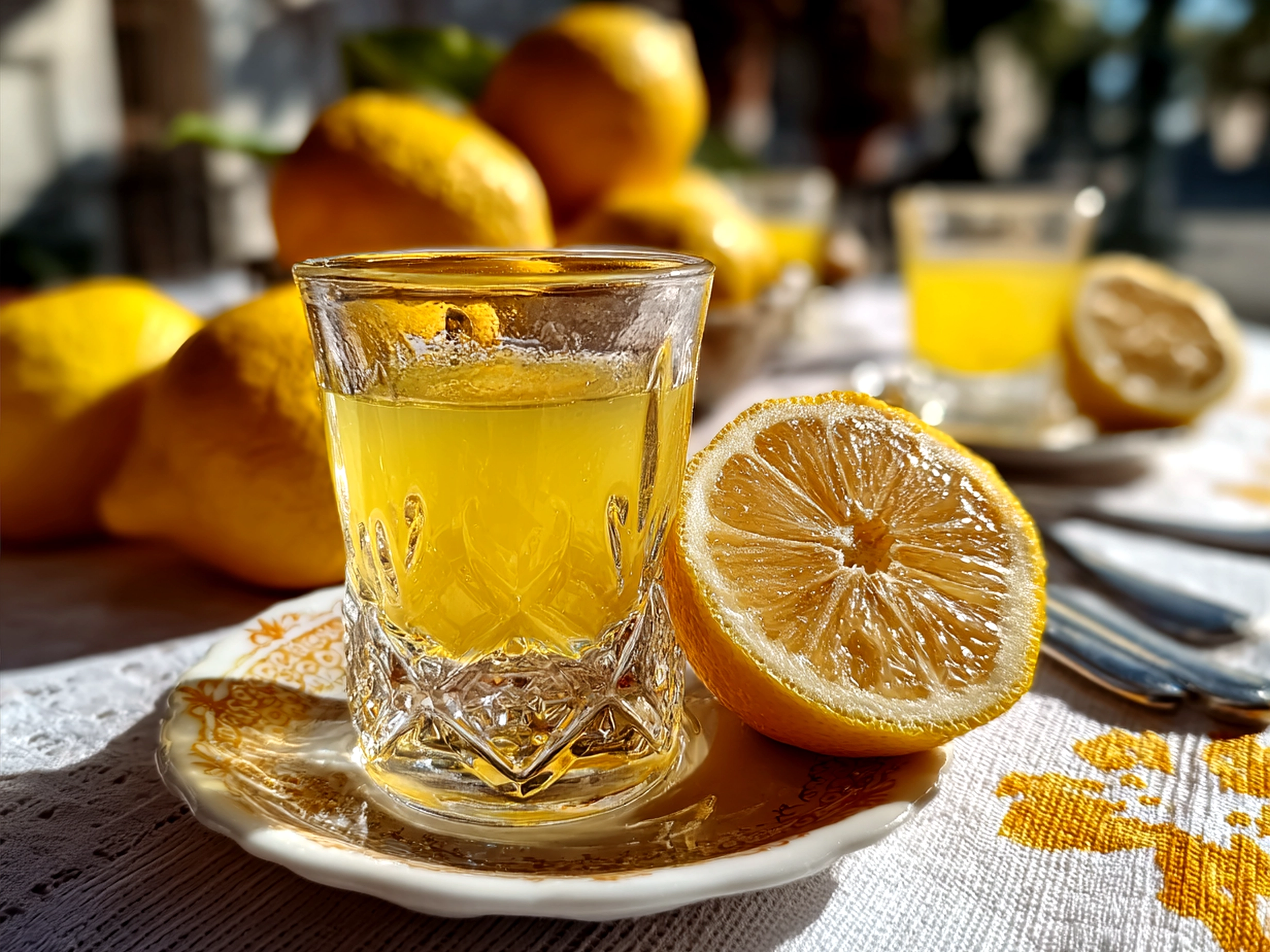
The first time I tasted limoncello, I was sitting on a sun-drenched terrace in the Amalfi Coast, the warm breeze carrying the scent of salt and wild lemons. The vibrant yellow liqueur sparkled in my glass, its sweet, tangy aroma tugging gently at my senses. It wasn’t just a drink—it was a celebration of lemons, sunshine, and centuries-old Italian tradition. Since then, the magic of limoncello has inspired me to create my own homemade batch, capturing that bright, zesty spirit in every sip.
Making your own limoncello is like bottling a bit of Italian sunshine—a citrus alcohol drink that transforms simple lemons into a sweet lemon liqueur bursting with authentic flavor. The secret? A patient lemon zest infusion that extracts every molecule of fragrant oils from thick-skinned, unwaxed lemons. You’ll want to use organic lemons, the best you can find, because the zest is the star here.
This limoncello recipe is much more than a quick mix. It calls for careful peeling—no white pith allowed!—patience during the infusion, and sweetening that hits just the right note between tart and sweet. Every step builds that beautiful balance, from the bright nose of fresh zest to the silky texture that rolls across your tongue.
Whether you’re serving it chilled as a digestivo after a heavy meal or using it as a flavorful addition in family dessert recipes, homemade limoncello warms the heart and connects you to the Italian kitchen tradition. Trust me, once you’ve mastered this Italian lemon liqueur, you’ll never want a store-bought one again.
Ingredients for Your Homemade Limoncello
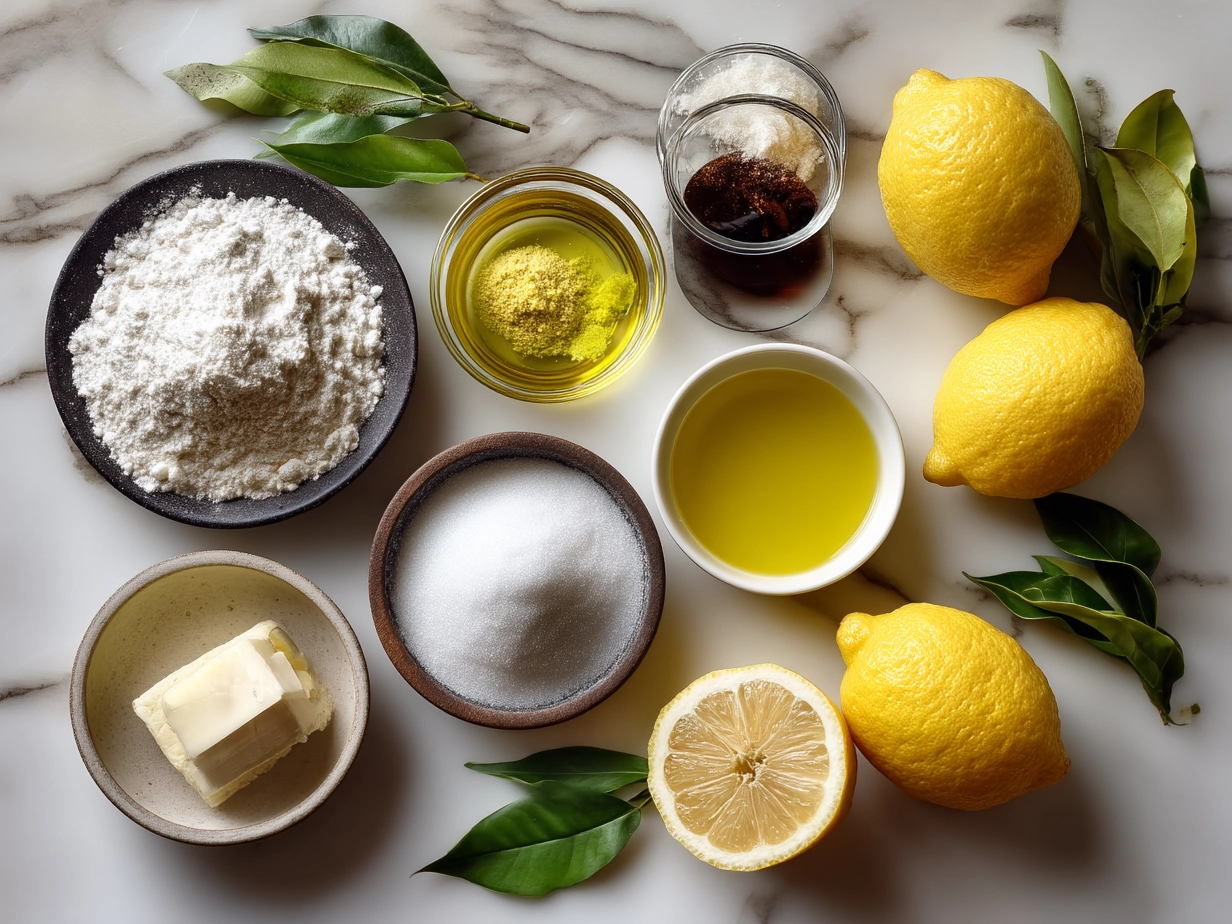
8 large organic lemons (preferably thick-skinned and unwaxed; choose ripe, fragrant ones)
1 liter (4 cups) 95% grain alcohol or 750 ml high-proof vodka (substitute whisky or rum for a different twist, but the flavor will vary)
4 cups (1 quart) cold water
2 ½ cups granulated sugar (can reduce to 2 cups if you prefer less sweetness; raw or cane sugar may add a subtle molasses note)
Budget Tips & Swaps:
- If 95% grain alcohol is hard to find, good-quality vodka at 40-50% works well—you’ll just need a bit more time to extract flavors.
- Using Meyer lemons instead of regular lemons will give you a slightly sweeter, floral limoncello.
- For a lighter, less sugary version, reduce the sugar and increase water slightly. Using a sugar syrup instead of granulated sugar dissolved in water can also give a smoother texture.
Remember, the zest is the essence—the oils hold all the magic.
Steps to Make the Perfect Limoncello
1. Prepare Your Lemons (15 minutes):
Wash lemons thoroughly to remove any dirt or residue. Use a vegetable peeler or sharp microplane to remove just the yellow zest, avoiding the bitter white pith underneath. The zest should come off in thin ribbons or strips.
Sensory Tip: As you zest, the lemon oils will release a bright, uplifting aroma. Don’t rush—pith bitterness is a common mistake and can ruin the final taste.
2. Infuse the Alcohol (10 minutes prep + 10-14 days rest):
Place the lemon zest into a large glass jar with a tight lid. Pour in the grain alcohol or vodka until the zest is completely submerged. Seal the jar, and place it somewhere cool and dark for 10 to 14 days. Shake gently every other day to help release the citrus oils.
Real Cooking Insight: Longer infusion brings a stronger lemon presence but can also introduce bitterness if left too long. Watch closely after 10 days.
3. Make the Simple Syrup (10 minutes):
In a saucepan, combine water and sugar. Heat gently, stirring until sugar dissolves completely. Let cool to room temperature.
Tip: Using cold syrup ensures you don’t cook off alcohol or evaporate flavors during mixing.
4. Combine and Rest (5 minutes + 1 week):
Strain the alcohol through a fine sieve or cheesecloth to remove zest. Mix the lemon-infused alcohol with the cooled syrup. Pour your limoncello into clean bottles, seal them, and refrigerate.
Taste Test: The first sip should be silky, sweet but balanced with bright lemon zing. If it tastes too sweet, add a bit more alcohol; too sharp, add syrup water.
Let your homemade limoncello mature for at least one week before serving to meld flavors.
Presenting Your Homemade Limoncello

Serve your limoncello chilled to truly appreciate its refreshing citrus punch. Keep bottles in the freezer or fridge, pour into small chilled glasses—a classic tulip or shot glass works beautifully. The cool temperature smoothes the alcohol bite and brightens the lemony notes.
Pair limoncello with:
- Light Italian desserts like panna cotta or lemon sorbet
- Fresh fruit and nut plates—almonds and figs are divine
- Festive family dinners as a digestif, especially after rich pasta feasts
For special occasions, use limoncello to soak sponge cake layers or drizzle over fresh berries, giving familiar desserts a zesty kick. You can explore limoncello cake recipes or limoncello tiramisu for a true home-cooked celebration.
Imagine toasting with relatives under warm evening skies, the subtle sweetness and citrus warmth lingering as stories unfold. That’s the true joy of homemade limoncello.
Frequently Asked Questions About Homemade Limoncello
Q1: Can I use regular lemons from the store?
Yes, but opt for organic if possible as you’ll be using the zest. Non-organic lemons might have wax or pesticides affecting flavor and safety.
Q2: What if I don’t have grain alcohol?
Vodka at 40-50% works well, though infusion time may be longer, and final crispness slightly less intense.
Q3: How do I avoid bitterness in limoncello?
Avoid the white pith when zesting and don’t let the infusion go beyond two weeks.
Q4: How long does homemade limoncello last?
Stored in a sealed bottle in the freezer or fridge, it can last up to 6 months, maintaining best flavor.
Q5: Can I make limoncello without alcohol?
You can make a lemon syrup with sugar and water, but it won’t have the preservation or the alcohol’s warmth.
Q6: Is it okay to use other citrus fruits?
Definitely! Oranges, grapefruits, or bergamot can create unique variations, though they won’t be limoncello.
Q7: Can I speed up the infusion process?
Some use heat to speed up, but it risks losing delicate lemon notes. Patience is key for authentic flavor.
Conclusion: Your Journey with Limoncello Recipe
Making this Italian lemon liqueur at home is more than a recipe; it’s a joyful ritual connecting past and present. My best tip? Be patient during that lemon zest infusion—every day you wait intensifies the citrus sunshine trapped in your jar. Experiment with sweetness to match your palate and try different lemon varieties for subtle flavor shifts.
Feeling adventurous? Twist the classic by adding a sprig of fresh rosemary during infusion or a splash of sparkling water for a refreshing summer spritz. Homemade limoncello is a gift you create, perfect for sipping slowly, sharing at family tables, or brightening festive moments with friends.
Ready to dive deeper? Explore delicious limoncello desserts like Limoncello Cookies or creamy tiramisu infused with Italian lemon liqueur. Each variation celebrates the authentic flavors you’ve lovingly crafted.
Embrace the sunshine in a bottle and bring a bit of Italy into your home kitchen with this timeless Limoncello Recipe. Cheers to family, tradition, and lemony warmth!
Additional reading and variations of the Limoncello Recipe can inspire your creative twists. For written guides, see also the homemade limoncello recipe post which shares detailed instructions.
Limoncello Recipe

Limoncello is a refreshing Italian lemon liqueur that is both vibrant and naturally zesty, perfect for sipping chilled or adding a citrus twist to cocktails.
- Prep Time: 15 minutes
- Cook Time: 10 minutes
- Total Time: 14 days
- Yield: 8 servings
- Category: Dessert
- Method: No-Cook
- Cuisine: Italian
Ingredients
- 10 organic lemons (preferably unwaxed)
- 1 liter vodka (or grain alcohol)
- 4 cups water
- 3 cups granulated sugar
Instructions
- Wash the lemons thoroughly and peel them with a vegetable peeler, avoiding the white pith.
- Place the lemon peels in a large glass jar and pour the vodka over them. Seal the jar tightly.
- Store the jar in a cool, dark place for 10 to 14 days, shaking it gently every day.
- After infusion, prepare a simple syrup by boiling water and sugar until the sugar dissolves completely. Let it cool.
- Strain the lemon peels from the vodka using a fine mesh sieve or cheesecloth.
- Mix the infused vodka with the cooled simple syrup. Stir well.
- Pour the limoncello into clean bottles and seal them.
- Refrigerate or freeze for at least 4 hours before serving chilled.
Notes
For a smoother limoncello, use only the yellow zest and avoid the white pith to reduce bitterness. Serve chilled in small glasses or use as a flavorful addition to desserts and cocktails.