
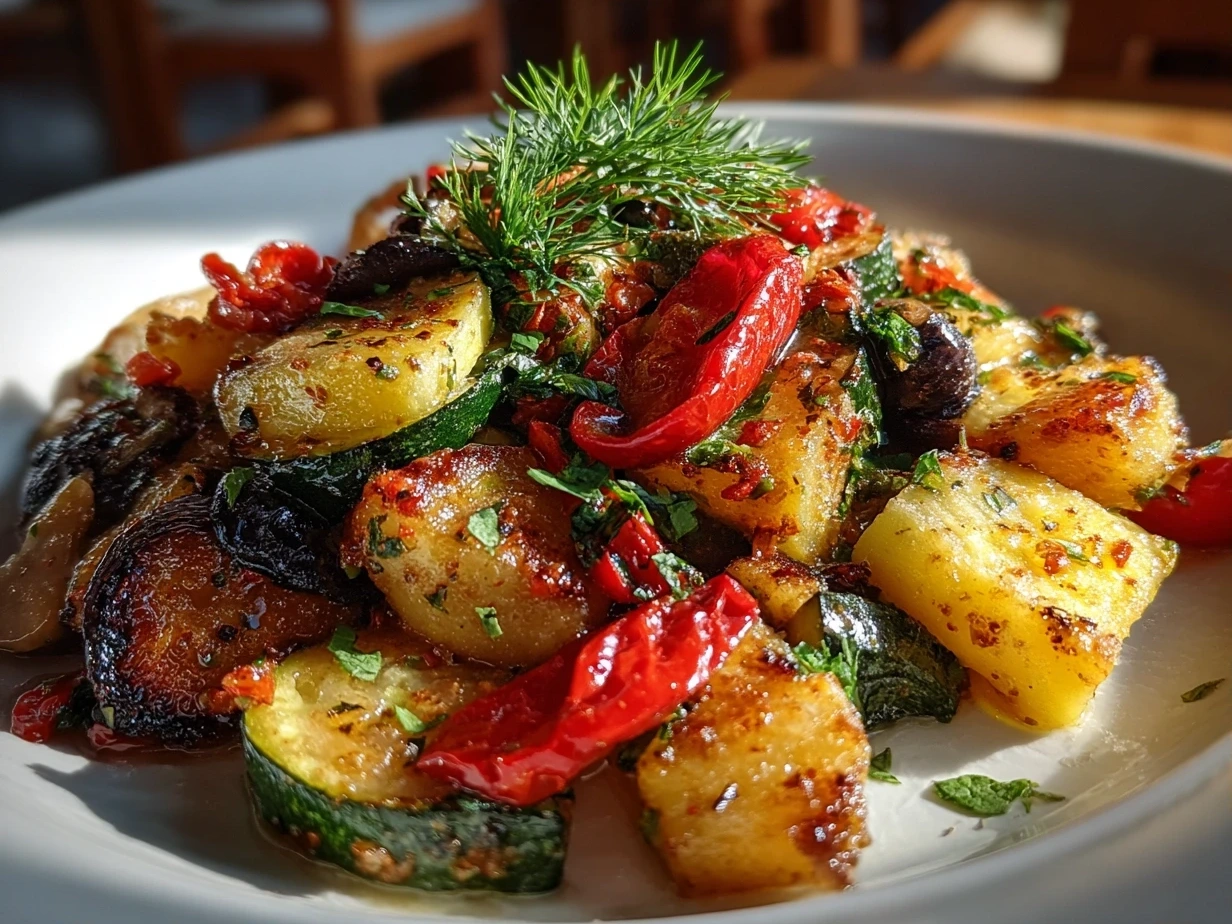
One of the most beautiful parts of family cooking is how a simple dish like Ciambotta can bring everyone into the kitchen—and to the table. My first real adventure with Ciambotta began one summer afternoon when I wanted a wholesome, comforting dish that would fill the house with warmth without hours of fuss. This Italian vegetable stew, or Mediterranean ratatouille if you will, became an instant family favorite because it carried soulful, authentic flavors that felt like a gentle hug after busy days.
My journey into Ciambotta started as a gentle challenge. Balancing the fresh garden veggies with just the right aromatic herbs and spices was trickier than I thought. The key was learning the right Ciambotta cooking method—slowly coaxing the flavors to harmonize without losing their vibrant freshness. I remember when I found that perfect blend of garlic, oregano, and a touch of chili flakes that sent my family’s taste buds into joyful celebration. It wasn’t about complexity but about respecting each Ciambotta ingredient to let its character shine.
What surprised me most was how this Southern Italy recipe, so hearty and grounded in simple roots, became a new tradition in our home. The flavors sparked conversations and memories while inviting everyone to gather around the table with eagerness. For fellow flavor seekers who crave an authentic, satisfying meal that celebrates family and quality ingredients, this Ciambotta recipe is a must-try. It’s a reminder that good food and genuine flavors create connection and comfort every single time.
I invite you to join me as we dive into the heart of Ciambotta, sharing the practical flavor-building wisdom and kitchen adventures that stripped away complexity and brought real joy to our table. Together, we’ll make this nourishing, vibrant Italian vegetable stew a beloved staple in your family’s cooking life.
Ingredients You’ll Need:
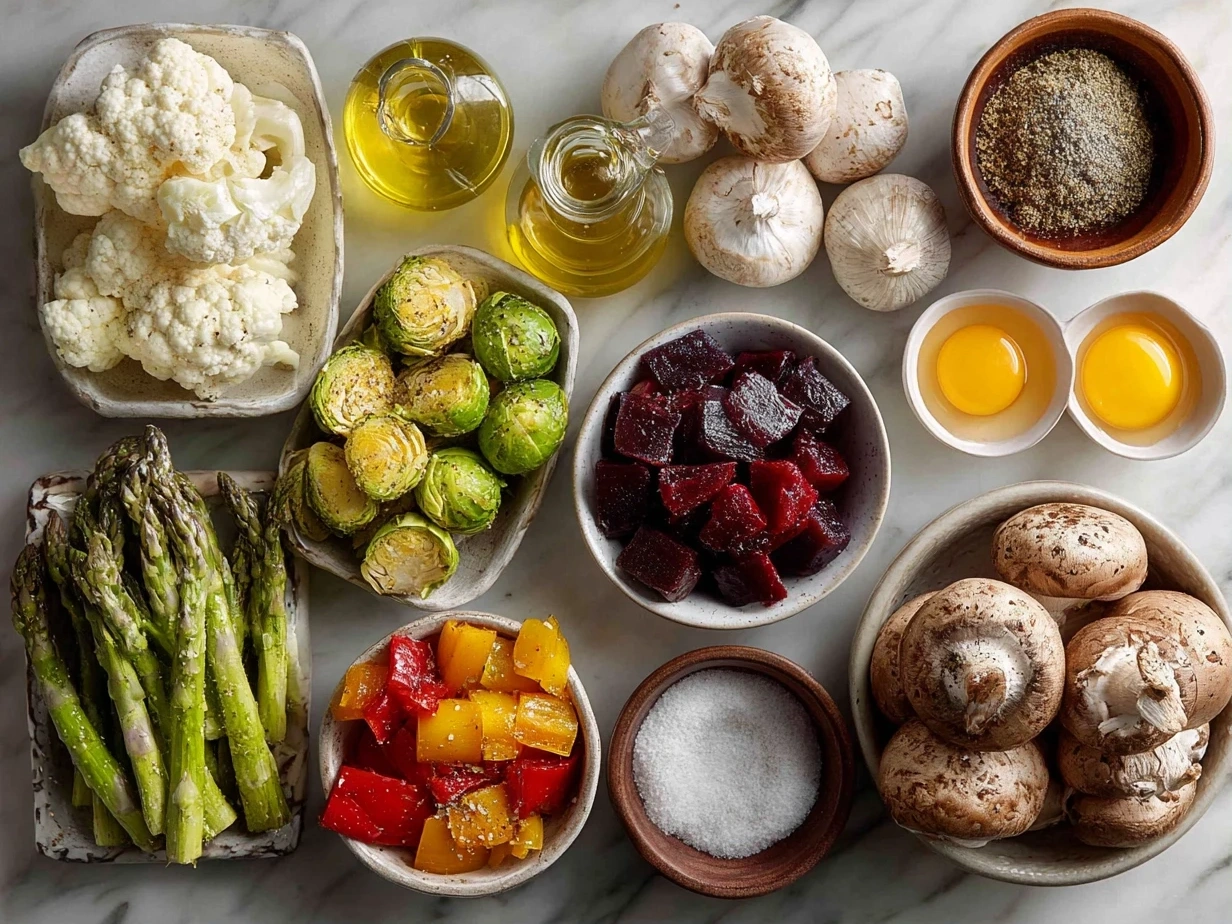
Gathering the right Ciambotta ingredients is your first step toward that soulful Southern Italy recipe! Trust me, this Ciambotta ingredient list focuses on quality over quantity for authentic flavors.
- 3 tablespoons extra virgin olive oil – The backbone of the stew; go for a fresh, peppery version from a local grocer or farmer’s market for depth.
- 1 large onion, diced – Yellow or white onions work; these mellow and sweeten as they cook.
- 3 cloves garlic, finely minced – Fresh garlic is non-negotiable for Ciambotta’s aromatic punch.
- 2 medium zucchinis, chopped into chunks – Choose firm, fresh zucchinis for ideal texture.
- 2 medium eggplants, peeled and cubed – Japanese or Italian eggplants work; peeling helps reduce bitterness.
- 3 medium tomatoes, peeled and chopped – Ripe, juicy tomatoes are key to the rich base.
- 1 red bell pepper, diced – Adds a mild sweetness and lovely color contrast.
- 1 green bell pepper, diced – Balances the sweetness with a little bite.
- 1 cup fresh green beans, trimmed and halved – Brings a fresh crunch to your Ciambotta.
- 1/4 cup chopped fresh basil – Adds brightness; picked at the last minute for maximum flavor.
- 1 tablespoon fresh oregano, chopped – Essential to that classic Southern Italy recipe flavor.
- 1 teaspoon dried chili flakes – This optional spice secret adds a gentle kick without overpowering.
- Salt and freshly ground black pepper, to taste – Always season throughout cooking for a balanced Ciambotta.
- 1 cup vegetable broth or water – Use homemade or low-sodium broth to keep the flavor clean and vivid.
You’ll find the freshest ingredients for this Ciambotta at your local farmer’s market or specialty Italian grocers. I often pick up my fresh herbs and produce early in the morning when the aromas are at their peak. This Ciambotta proves that authentic flavor comes from thoughtful ingredient choices, not adding unnecessary extras.
For my family, adding a pinch of Italian sea salt unlocks the sweetness of the veggies in extraordinary ways. Another flavor-building wisdom is gently sautéing the garlic and onion before adding the rest—this is where the kitchen starts to sing! Trust me on this: prepping your vegetables in uniform sizes ensures even cooking and a beautiful texture in your final Ciambotta.
Here’s a flavor secret that transformed our family dinners: roasting the bell peppers before dicing them adds a layer of sweetness that took this Italian vegetable stew over the top.
Let’s Create This Together!
Ready to roll up your sleeves? Here’s how my kitchen typically brings this flavorful Ciambotta to life—takes about an hour from start to finish, but the way your home fills with those garden-fresh aromas makes time fly.
- Heat the olive oil over medium heat in a wide, heavy-bottomed pan. This is where your Ciambotta cooking method begins with patience, letting the oil warm thoroughly.
- Add diced onion and minced garlic. Stir gently, allowing their aroma to release. I always remind myself this is the moment when the base flavor builds for that authentic Southern Italy recipe vibe.
- Toss in the cubed eggplants first. Eggplants love soaking in oil and flavours, so give them a good 7-8 minutes to soften and take on golden edges.
- Next, add the zucchini, both bell peppers, and green beans. Stir carefully to combine all those Ciambotta ingredients. Notice how the colorful vegetables start melding into an inviting mosaic.
- Add chopped tomatoes with their juices, then sprinkle in your fresh oregano, basil, chili flakes (if you want that warm hum), salt, and pepper. Stir it gently, gently, like you’re coaxing a dance party for flavors.
- Pour in the vegetable broth or water to create a bath for the veggies to simmer. This Ciambotta cooking method is all about low and slow, allowing the ingredients to mingle and soften over about 30 minutes.
- Stir occasionally and keep an eye for when the stew gets thick and luscious—often around the 20-minute mark your kitchen will fill with those comforting aromas. Don’t be surprised if your Ciambotta develops a slight caramelization on the bottom; it’s pure flavor gold.
- Taste toward the end and adjust salt or chili flakes to your family’s liking. This final taste tweak ensures the stew hits the perfect note.
- Once the vegetables are tender and the sauce is cozy, turn off the heat. Let your Ciambotta rest for a bit before serving—it deepens flavors beautifully.
Here’s a cooking adventure worth sharing: I used to rush skipping the slow simmer step, losing some of those rich, layered tastes. Now, patience is my best friend with this Mediterranean ratatouille.
While your Ciambotta is developing these flavors, take a moment to appreciate creating something special for your family. If you want to compare notes on flavor journeys, the Ciambotta Italian food recipe group has some lively discussions.
More kitchen inspiration for family meals? Check out my creamy pasta soup recipe here. For a breakfast twist, the cheesy breakfast casserole will pair perfectly with any leftover Ciambotta flavors (link).
How We Love to Enjoy This!
When the family gathers around the table and a steaming bowl of Ciambotta arrives, conversations and smiles come quickly. This stew has a way of feeling both homey and special—perfect for those dinners where comfort meets authenticity.
We often enjoy our Ciambotta as a main dish, spooned over creamy polenta or with a side of crusty, toasted bread to mop up every last drop. The bright tomato base and tender veggies pair beautifully with a splash of good olive oil and a scattering of fresh herbs on top for a rustic vibe.
This Italian vegetable stew is also a delightful companion to grilled sausages or fresh mozzarella. The flavors balance so naturally, making it a favorite for casual weekend meals and even guest dinners where I want to impress without fuss.
One of my favorite leftover transformations is turning Ciambotta into a warm pasta sauce the next day. Just toss with some al dente penne or rigatoni, sprinkle with Parmesan, and you’ve got a quick, satisfying meal. Good cooks waste nothing!
Seasonal variations are fun, too—adding small potatoes in colder months or swapping green beans for fresh peas in springtime adds excitement without straying from that traditional Mediterranean ratatouille spirit.
A guest once told me, “This Ciambotta tastes like a hug from the Italian countryside.” Moments like that remind me why sharing family-tested recipes matters so much.
For more classic family flavors in your meals, check out my paleo crab louie salad here. The fresh, bright flavors are a great partner to this warming Ciambotta.
FAQs: Your Questions Answered
Q: Does this Ciambotta really satisfy hearty appetites?
A: Absolutely! Though it’s vegetable-forward, the rich tomato base and oil make it full-bodied and satisfying. In my family, it’s a solid dinner winner and often paired with bread or grains to round it out.
Q: What if someone in my family prefers milder flavors in their Ciambotta?
A: Easy fix! I recommend holding back the chili flakes or serving them on the side. Fresh herbs and gentle seasoning shine through beautifully without heat.
Q: Can I prepare this Ciambotta ahead for busy weeks?
A: Yes, it tastes even better the next day once flavors meld. Store it in airtight containers and reheat gently. I keep some in the fridge for up to 4 days and even freeze smaller portions to have on hand.
Q: Is this Ciambotta suitable for vegetarian or vegan eaters?
A: Completely! This Southern Italy recipe uses just veggies, herbs, and oil—no animal products needed. It’s a wonderful plant-forward dish.
Q: How should I adjust Ciambotta ingredients if I can’t find something fresh?
A: For a quick swap, frozen green beans or roasted bell peppers can work. Canned tomatoes are fine but fresh always gives that authentic flavor depth.
Q: Can I add protein to this Ciambotta?
A: I’ve experimented adding chickpeas or white beans for extra texture and protein. The stew holds up nicely and feels more hearty that way.
Q: How do I know when my Ciambotta is perfectly cooked?
A: When the vegetables are tender but not mushy, and the sauce coats them beautifully with a fresh yet rich flavor, you’ve hit the mark. The kitchen will smell incredible, and your taste buds will notice that balance immediately.
If you want to chat with other fellow flavor seekers about their Ciambotta adventures, try out this Slow cooked Cilento ciambotta discussion.
For a different take on Ciambotta, the summer veggie stew style from Ciambotta – Summer Veggie Stew – Sip and Feast is a great read to compare notes.
Final Kitchen Wisdom:
This Ciambotta truly supports my family’s goal of sharing simple, authentic meals that celebrate fresh ingredients and genuine flavors. It’s a reminder that good cooking doesn’t have to be complicated to be deeply satisfying.
My Ciambotta Flavor Secrets:
– Start with slow-sautéed onions and garlic to build a savory base.
– Roast or char bell peppers before adding to deepen sweetness.
– Finish with fresh basil and oregano at the very end for a burst of herbal brightness.
Family-tested Ciambotta variations include adding small potatoes for heartiness, white beans for protein, or a sprinkle of sharp Pecorino cheese for richness. My kids love it just pure vegetable; my partner enjoys it with a bit more chili heat, proving this dish’s flexible beauty.
I encourage you to create your own signature Ciambotta, trusting your taste buds and your family’s preferences. The joy in my kitchen is seeing this humble Southern Italy recipe come to life again and again, sharing warmth and connection.
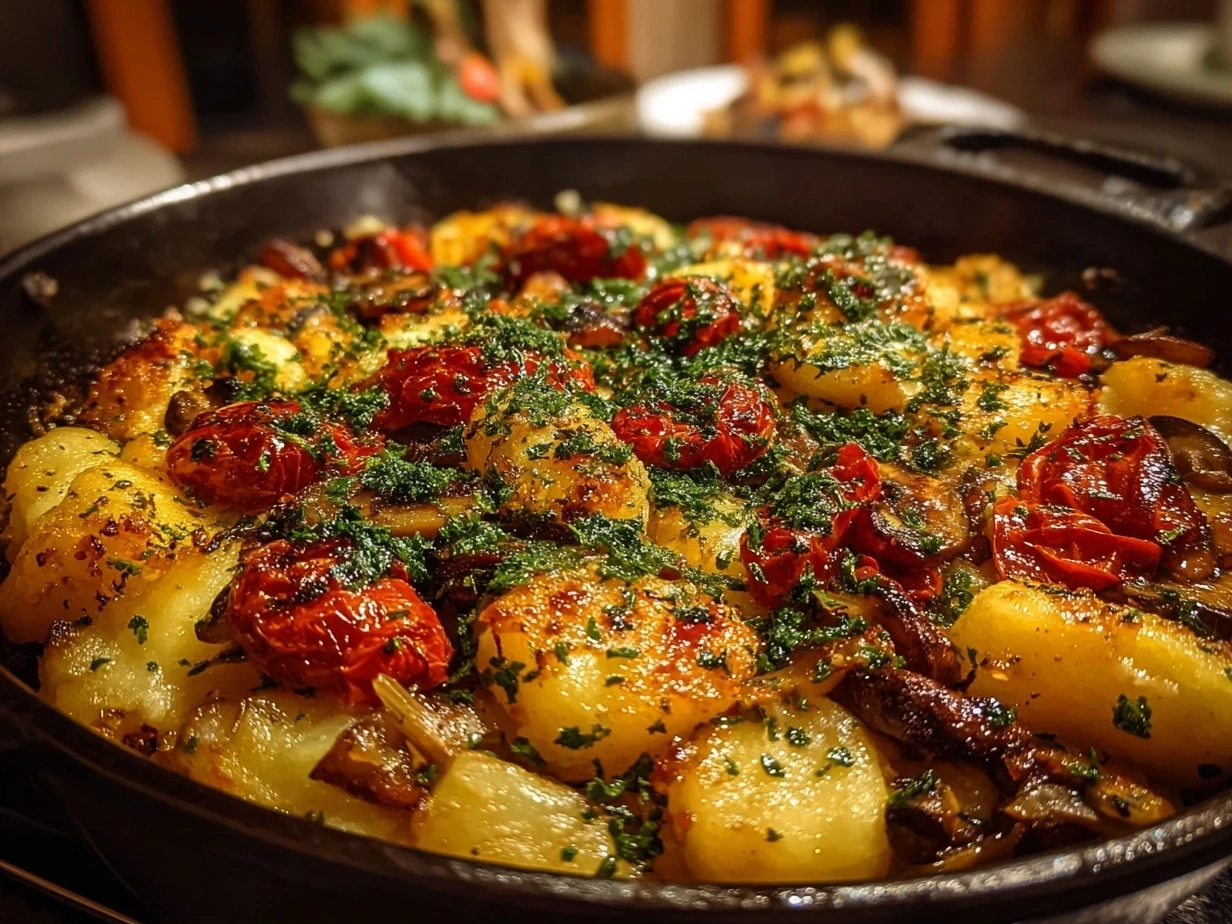
Remember, fellow flavor seekers, your Ciambotta journey is a delicious path toward authentic family meals that bring everyone’s hearts around the table. Keep it simple, keep it fresh, and savor every bite. Happy cooking!
Ciambotta
Ciambotta is a hearty Italian vegetable stew featuring fresh summer produce, bursting with vibrant flavors and perfect as a comforting meal or side dish.
- Prep Time: 15 minutes
- Cook Time: 35 minutes
- Total Time: 50 minutes
- Yield: 4 servings
- Category: Dinner
- Method: Skillet
- Cuisine: Italian
Ingredients
- 2 tablespoons olive oil
- 1 onion, chopped
- 2 cloves garlic, minced
- 2 medium eggplants, diced
- 2 zucchinis, diced
- 1 red bell pepper, diced
- 1 green bell pepper, diced
- 4 medium tomatoes, chopped
- 2 potatoes, peeled and diced
- 1/4 cup fresh basil, chopped
- 1/4 cup fresh parsley, chopped
- Salt and pepper to taste
- 1/2 teaspoon red pepper flakes (optional)
- 1 cup vegetable broth
Instructions
- Heat olive oil in a large skillet over medium heat.
- Add the chopped onion and garlic; sauté until softened, about 5 minutes.
- Add diced eggplants, zucchinis, and bell peppers; cook for 8-10 minutes, stirring occasionally.
- Add the potatoes and chopped tomatoes to the skillet.
- Pour in the vegetable broth, then season with salt, pepper, and red pepper flakes if using.
- Reduce heat to low, cover, and simmer for 25-30 minutes until vegetables are tender.
- Stir in fresh basil and parsley just before serving.
- Adjust seasonings to taste and serve warm.
Notes
For a richer flavor, serve Ciambotta with crusty bread or a sprinkle of grated Parmesan cheese.